



Awarded hotel —
What is a design hotel?
Unlike conventional hotels, design hotels place design at the heart of the guest experience rather than treating it as decoration. The architecture, interior design, bedrooms and, often, the cuisine follow a clear concept.This may draw inspiration from a particular era, city, art form or way of life.
The key is that the design shapes the entire stay rather than simply making the hotel look attractive.
However, a design hotel does not have to be luxurious or expensive by default. Even smaller properties with carefully chosen materials, a distinctive concept and a personal atmosphere can belong to the world of design hotels.
The most important thing is that the hotel finds its own unique voice.
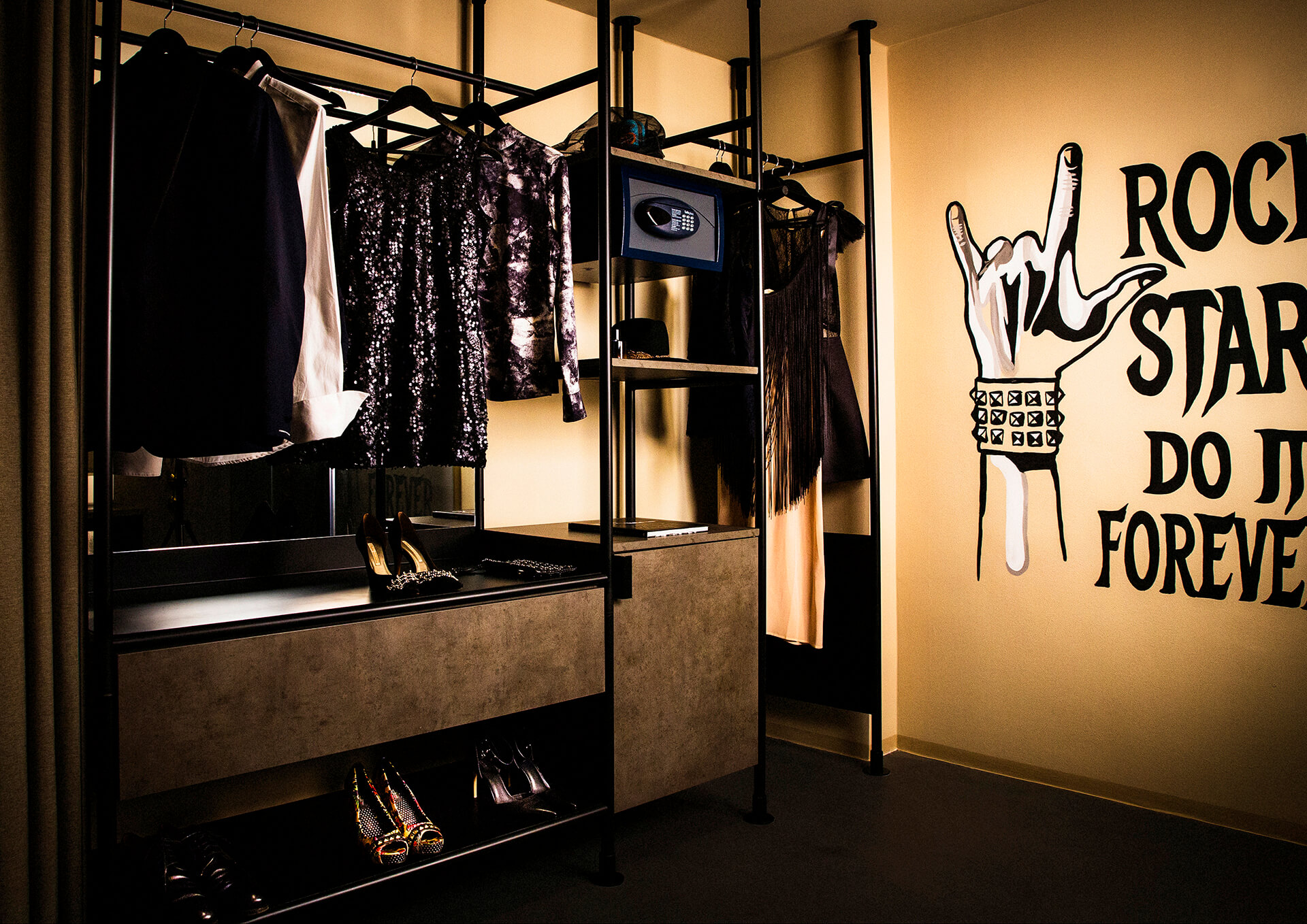
JAM IT!

— Freddie Mercury

Design with a story —
Five characteristics that define a design hotel
- Individuality rather than off-the-peg design
A design hotel should stand out. Distinctive colours, bespoke furniture, works of art and inventive uses of space can transform a room into a memorable setting. Guests remember details that are unique to this hotel, not neutral décor.
- A high-quality, well-considered aesthetic
At JAMS, thoughtful design combines visual appeal with innovative functionality. Lighting, textures, proportions, acoustics and comfort must all work together harmoniously. An armchair is only truly successful if it remains comfortable after a long day, while an eye-catching light fitting should still cast a pleasant light.
- A harmonious overall concept
In a compelling design hotel, the lobby, corridors, rooms, bar and restaurant all speak the same design language. Individual eye-catchers do not stand side by side like curiosities from different worlds. They form part of a composition that accompanies guests throughout their stay, from check-in to their final drink.
- A special atmosphere
Design is particularly powerful when it evokes a feeling in guests. Warm light can make a room feel calm, bold colours can create energy and carefully selected music can set the rhythm of an evening. Together, these elements create an atmosphere that guests can sense from the very first moment.
- A theme that inspires
Many design hotels draw inspiration from a specific era, place, or cultural concept. The key lies in the execution: the theme must not end at reception, but live on in the materials, art, rooms and details. In this way, a mere style becomes a world of its own.

Where design becomes a way of life —
Who are design hotels aimed at?
Design hotels appeal to people looking for more than just a comfortable place to stay while travelling. These include art and architecture enthusiasts, music fans, people taking city breaks and guests interested in exceptional dining, art or local culture.
Business travellers also appreciate hotels with character where design and practicality go hand in hand.
Design hotels are particularly suited to guests who carefully select their accommodation and enjoy immersing themselves in new surroundings. You do not need to be a design expert – curiosity and an appreciation for spaces that tell a story are enough.

Design as a hallmark —
Famous design hotels: design as a hallmark
Some design hotels have long been sought-after destinations in their own right, thanks to their iconic interiors. The architecture, furnishings and design themes of these hotels tell fascinating stories about places, eras and ideas, ensuring that they remain etched in the memories of guests from all over the world.
The following four examples illustrate just how varied hotel design can be:
- Radisson Collection Royal Hotel, Copenhagen: In 1960, the world-renowned architect Arne Jacobsen designed the building and numerous interior elements, including the famous Egg Chair and even the cutlery.
- 25hours Hotel Piazza San Paolino, Florence: Dante’s “Divine Comedy” inspired this hotel, whose concept is centred on the space between heaven and hell. The former palazzo, with its history as a monastery and a bank, combines opulent vintage details with a playful, theatrical spatial concept.
- Regina Experimental Hotel, Biarritz: Belle Époque meets Atlantic coastal charm. Dorothée Meilichzon has reinterpreted Henry Martinet’s historic architecture by incorporating neo-Basque influences, Art Deco details, ceramics, and shades of blue, white, and mint into the contemporary interior design.
- Hotel Marqués de Riscal, Elciego: Frank Gehry’s spectacular architecture makes this hotel in Spain’s wine-growing region instantly recognisable, even from the outside. The curved metal bands appear to hover above the historic vineyard as a colourful, radical and idiosyncratic structure closely connected to its location.
Rock ‘n’ Roll meet tranquility —
The JAMS: Music as a Design Concept
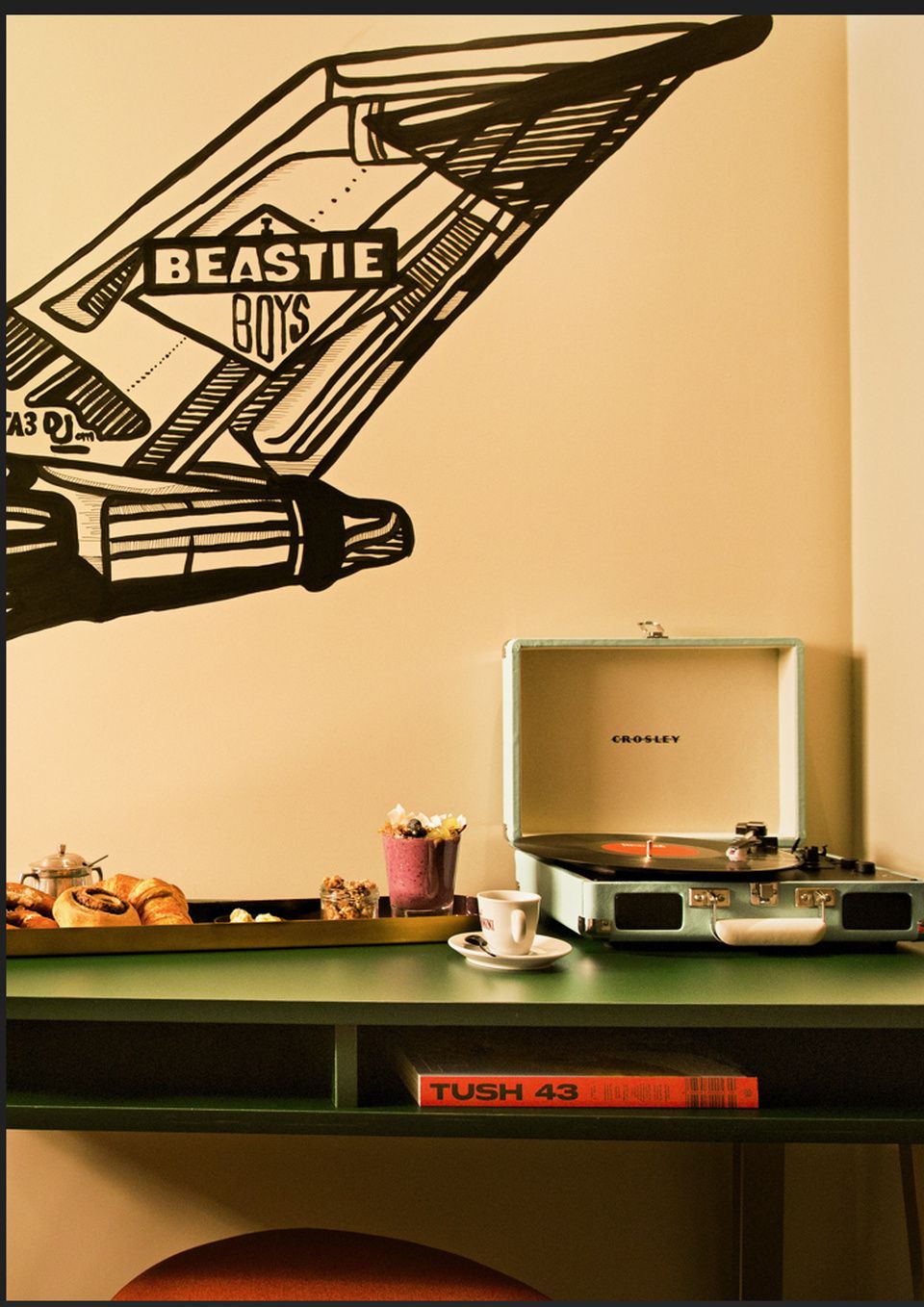
The JAMS Music Hotel in Munich draws its identity from music. Retro design, art and vinyl intertwine with modern comfort throughout the hotel. Dark green, light grey and coral-coloured upholstery with golden accents evoke the glamour of the 1970s, forming a consistent design ethos rather than just a backdrop.
Each floor is dedicated to a musical icon: Freddie Mercury, Amy Winehouse, David Bowie, Whitney Houston, Jim Morrison and The Notorious B.I.G. Portraits of the artists adorn the lift walls, record covers decorate the staircases and music-themed literature can be found in the rooms, ensuring that the theme remains consistent throughout.
Even the staircase becomes a small stage when original LP covers are transformed into light fittings.
Art on every wall —
At JAMS, art is an integral part of the interior design
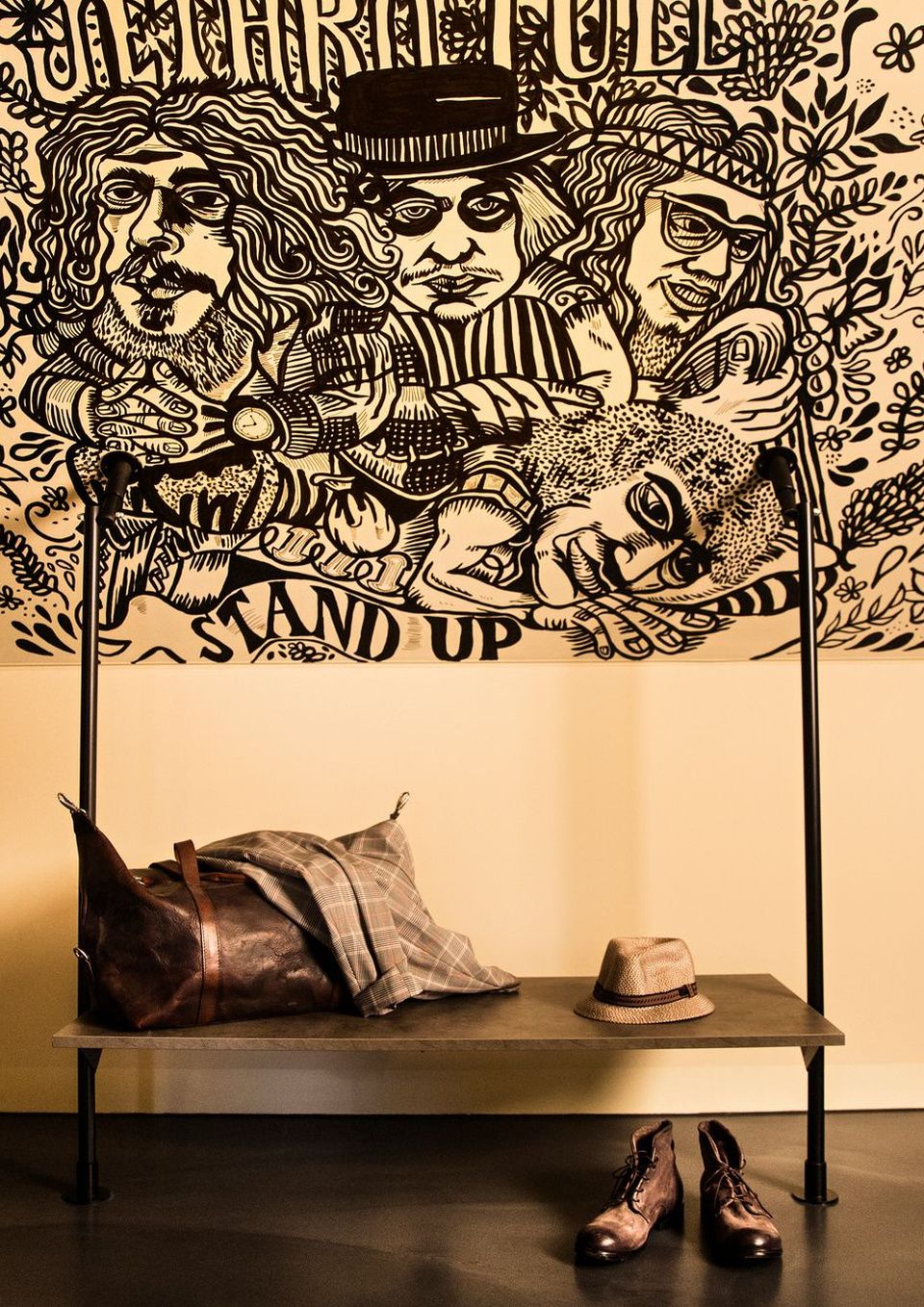
Our hotel comes to life through striking art. The large-scale wall art was created by Daniela Viveros. She created the designs especially for our award-winning hotel in Munich, ensuring that no two spaces look the same.
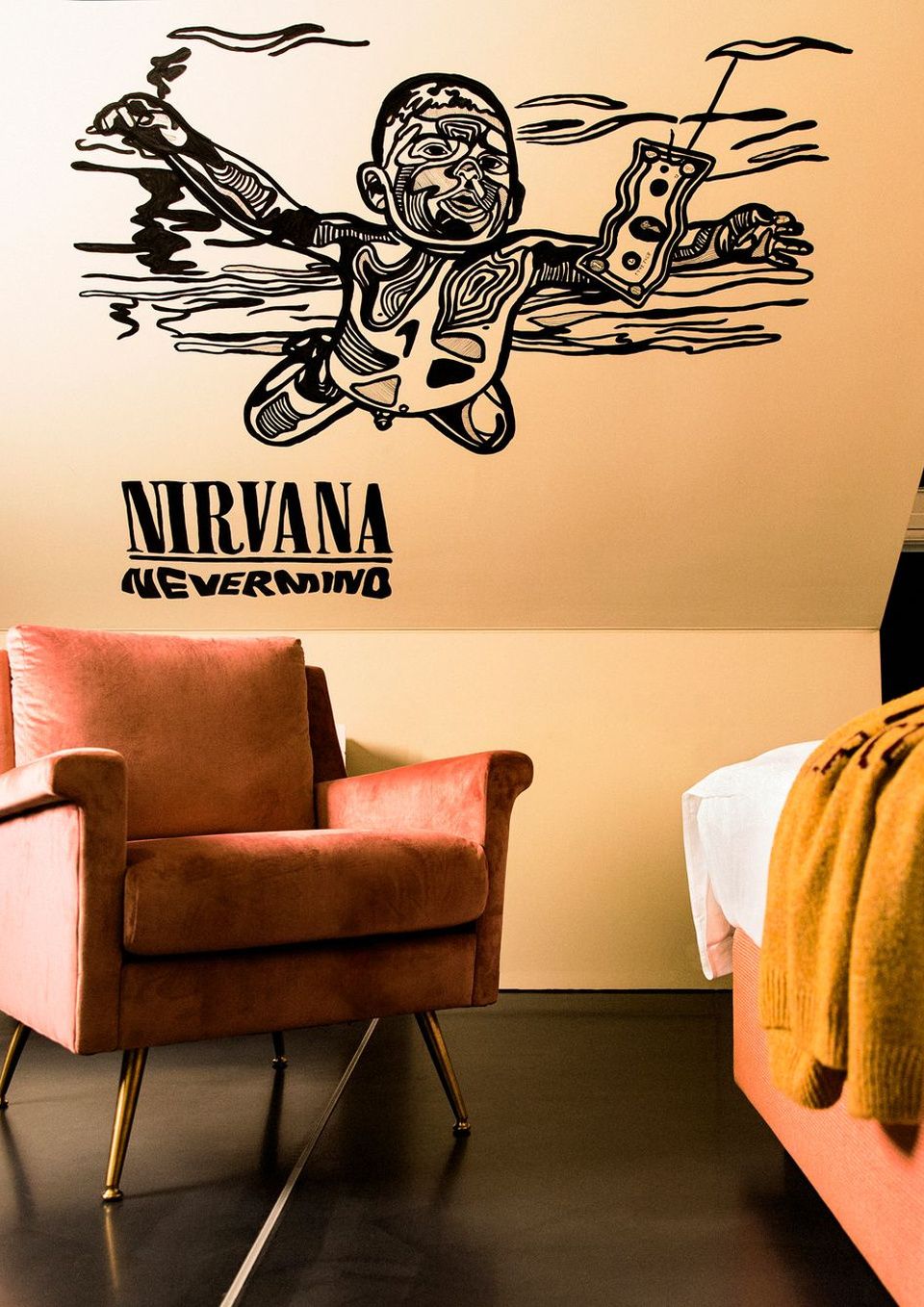
The art continues into the rooms. All Rockstar rooms and most Cozy rooms feature unique wall art. This is complemented by hand-picked furnishings, warm lighting, and record players. In the lobby, more than 250 LPs are ready to be played.
Every room is one of a kind —
Hotel rooms with character
At JAMS, each room is designed to feel distinctive rather than standardised. Details such as a book about the respective icon, a record cover on the wall or a record on the suitcase-style record player transform the décor into a personal experience. This is particularly evident in the six Rockstar rooms on the top floor, where the atmosphere of the 1970s blends with contemporary comfort.
Discover the difference for yourself
Check in at JAMS, choose your favourite record from the lobby and experience how music, art and hotel design come together to create a cohesive experience throughout your stay.

FAQs —
Frequently asked questions about design hotels
How does a boutique hotel differ from a design hotel?
A boutique hotel tends to be smaller and more personal than a traditional hotel, and is usually run in a more individual way. A design hotel is defined primarily by its consistent design concept.
What criteria must a hotel meet to be considered a design hotel?
There is no standardised list of requirements for the term. In practice, the key features are individuality, a distinctive concept, high-quality design, a unique ambience and the integration of form and function.
Does a design hotel have to be luxurious?
Not necessarily. ‘Design’ primarily describes the creative concept and does not automatically refer to the number of stars or the price level.
Is the term ‘design hotel’ protected?
No. A design hotel is not a protected hotel category with fixed minimum standards. It is therefore worth taking a close look at the concept, images, room furnishings, reviews and service before booking. It is the way a hotel puts its concept into practice that creates a genuine impression, not the label.
Who are design hotels suitable for?
Design hotels are ideal for guests who value atmosphere, art, architecture, music or exceptional cuisine. They are a great choice for city breaks, weekend getaways, cultural trips and special occasions. At JAMS, guests who enjoy combining music history with distinctive retro design feel particularly at home.